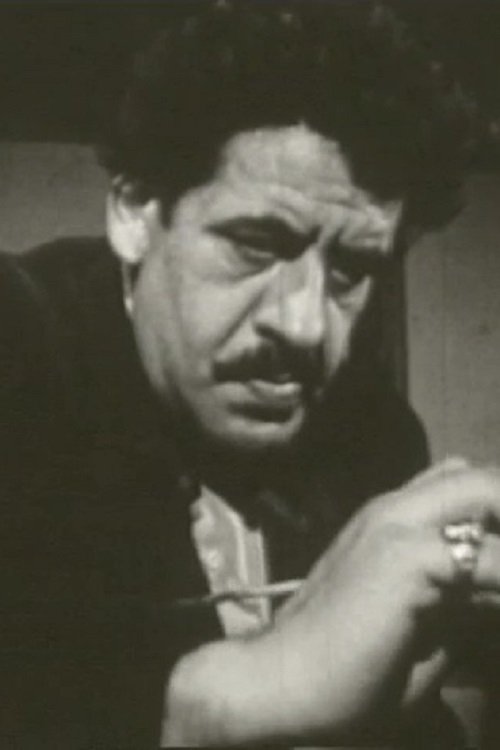
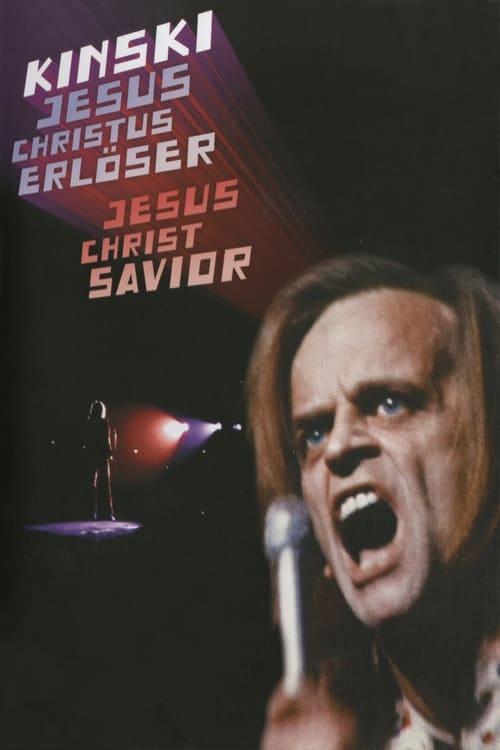
Klaus Kinski has perhaps the most ferocious reputation of all screen actors: his volatility was documented to electrifying effect in Werner Herzog’s 1999 portrait My Best Fiend. This documentary provides further fascinating insight into the talent and the tantrums of the great man. Beset by hecklers, Kinski tries to deliver an epic monologue about the life of Christ (with whom he perhaps identifies a little too closely). The performance becomes a stand-off, as Kinski fights for control of the crowd and alters the words to bait his tormentors. Indispensable for Kinski fans, and a riveting introduction for newcomers, this is a unique document, which Variety called ‘a time capsule of societal ideals and personal demons.’
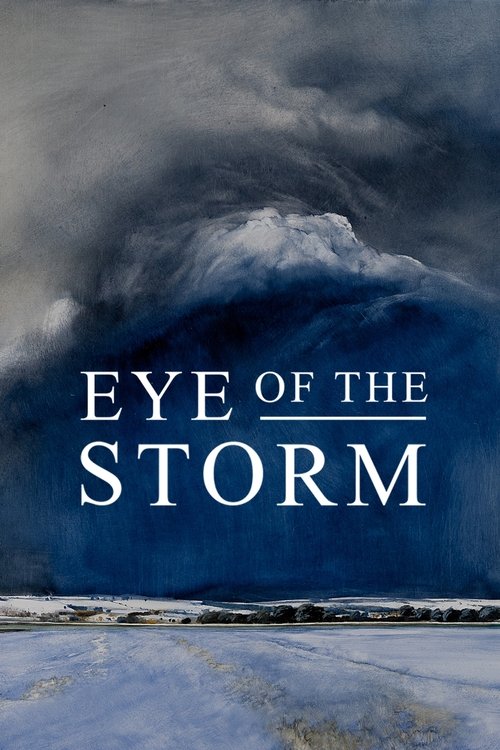
In rocky Newfoundland, renowned French artist Jean Claude Roy gathers his paints and sets off to face the day. Whether it be freezing snow, violent wind, or pouring rain, he commits vibrant colors to canvas and conquers the day by weaving crooked beauty out of difficulties.
Through an intimate conversation, Steph Jane, age 28, shares the struggles and lessons her second diagnosis of stage-4 cancer has taught her. From being genuinely present and savouring simple moments to thoughts of the future and what really matters, Steph reveals beauty and wisdom which transcend appearance and years.
The Haywain by John Constable is such a comfortingly familiar image of rural Britain that it is difficult to believe it was ever regarded as a revolutionary painting, but in this film, made in conjunction with a landmark exhibition at the V&A, Alastair Sooke discovers that Constable was painting in a way that was completely new and groundbreaking at the time. Through experimentation and innovation, he managed to make a sublime art from humble things and, though he struggled in his own country during his lifetime, his genius was surprisingly widely admired in France.
Famed French artist, photographer, writer and actor Hervé Guibert riveting self-portrayal of his last months and journies living with AIDS. Hervé is seen here in this film with his Panasonic video camera documenting his life. The scenes are shot from June 1990 through March 1991 in Paris France and a respite on the island of Elba. The film was first shown on TF1 (French Television 1) on January 20th, 1992, shortly after his death on December 27th, 1991. The film portrays a very personal look into the human condition.
A film documenting the soulful art, environments, and voices of self-taught artists on the back roads of the American South.
Ernestina is a small town of 150 people whose peculiar inhabitants are deeply concerned by the acts of vandalism perpetrated by the people who go bathe in the river. They decide to hire private security. What is really going on in Ernestina? A suspenseful, humorous and endearing documentary about the dynamics of these small-town people.
This remastered, rare, local production from the 80s is an unfiltered look into the mind and heart of the world-renowned folk artist Howard Finster. Walking and talking in his Paradise Garden, Finster gives insight into his visions, Faith, and artwork. He even sings and plays the banjo. Dr. George Pullen interviews Finster. And in this case, the word "interview" means that Dr. Pullen just lets Finster talk. And it's pure gold.
Sean Penn is almost a living legend. His filmography paints a picture of an 'other America': the lower class, the oppressed and the outsiders. Whether as an actor or director, he turns all the great myths upside down.
This documentary follows 8 teens and pre-teens as they work their way toward the finals of the Scripps Howard national spelling bee championship in Washington D.C.
A strange story from Somerset, England about a filmmaking farmer and the inspiring legacy of his long-lost home movies.
Through post-porn, performance and wrestling, Puck tries to figure out her place in the world.
Fernando Lemos, a Portuguese surrealist artist, fled from dictatorship to Brazil in 1952 searching for something better. The movie follows the last moments of his journey and the struggle for the preservation of his legacy, trying to fulfill his last great desire: to be a good dead man.
Short documentary about artist Keith Haring, detailing his involvement in the New York City graffiti subculture, his opening of the Pop Shop, and the social commentary present in his paintings and drawings.
Martin Blaszko is considered one of the most important artists of geometric abstraction in Latin America. This documentary, which ends a trilogy, follows the setup of what ended up being his last art show, through only twenty sequences.
A short film with shots of sculptures by Anneke Walvoort. The materiality of film plays an important role: visible grain, flashes of colour, unexpected camera movements.
The story of the black, gay origins of rock n' roll. It explodes the whitewashed canon of American pop music to reveal the innovator – the originator – Richard Penniman. Through a wealth of archive and performance that brings us into Richard's complicated inner world, the film unspools the icon's life story with all its switchbacks and contradictions.
Man Ray, the master of experimental and fashion photography was also a painter, a filmmaker, a poet, an essayist, a philosopher, and a leader of American modernism. Known for documenting the cultural elite living in France, Man Ray spent much of his time fighting the formal constraints of the visual arts. Ray’s life and art were always provocative, engaging, and challenging.
Documentary on New York Graffiti featuring art by Cliff, Phase 2, Comet, Blade, IN, Billy167, LSD OM, Ajax , Dean, Mico, Checker 170, Skylark
The life and the work of José Leonilson, one of the most important Brazilian artists of the 80's, who died of AIDS at the age of 36 in 1993. The video explores Leonilson's poetic and intimate universe through his work and through fragments of a diary he recorded between 1990 and 1993, where he talks about art, sex, memory and poetry.